The Paradox of Modern Enviro-Activism: A Roughnecks’ Insight
In the midst of destructive environmental activism, often branded by drastic measures against the oil industry, the irony couldn’t be more striking. As a 20+ year veteran of the energy sector across Canada and South America, I’ve observed firsthand the complexities and paradoxes of our modern energy debates. This article aims to shed light on the misunderstood realities of oil and gas and to question the prevailing narrative that portrays these resources as fundamentally harmful.
The Irony of Oil-Based Protests
Recent incidents at historical sites and crucial infrastructures, like Stonehenge and airports, have been marred by acts of vandalism—ostensibly carried out in the name of environmental protection. These activists, while donned in oil-based clothing and using oil-derived products, seem to miss the deep irony of their actions. Their efforts, though possibly well-intentioned, overlook the extensive role oil plays in supporting modern conveniences and advancements.
The Misconception of CO2 as a Pollutant
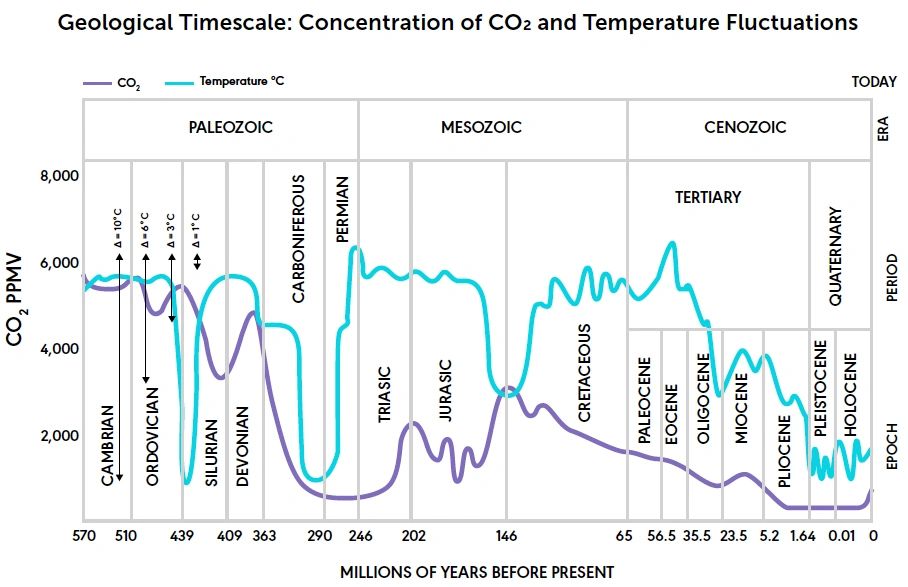
The current crusade against oil and gas is deeply rooted in the false narrative that CO2, carbon dioxide, is a pollutant. This narrative is often propagated by those who stand to gain from ‘transformative policies,’ offering them access to taxpayer money. Contrary to alarmist claims, CO2 is not driving climate change but is following temperature changes by about 200 years, as evidenced by historical climate data used by both proponents and skeptics of climate change. The data, also utilized by reputable sources like NASA, suggests that current CO2 levels are not unprecedented but are actually lower compared to greener periods in Earth’s history. Energy Talking Points on CO2 Policy provides detailed charts and discussions on these topics.
The Unsung Hero of Modern Civilization: Oil and Gas
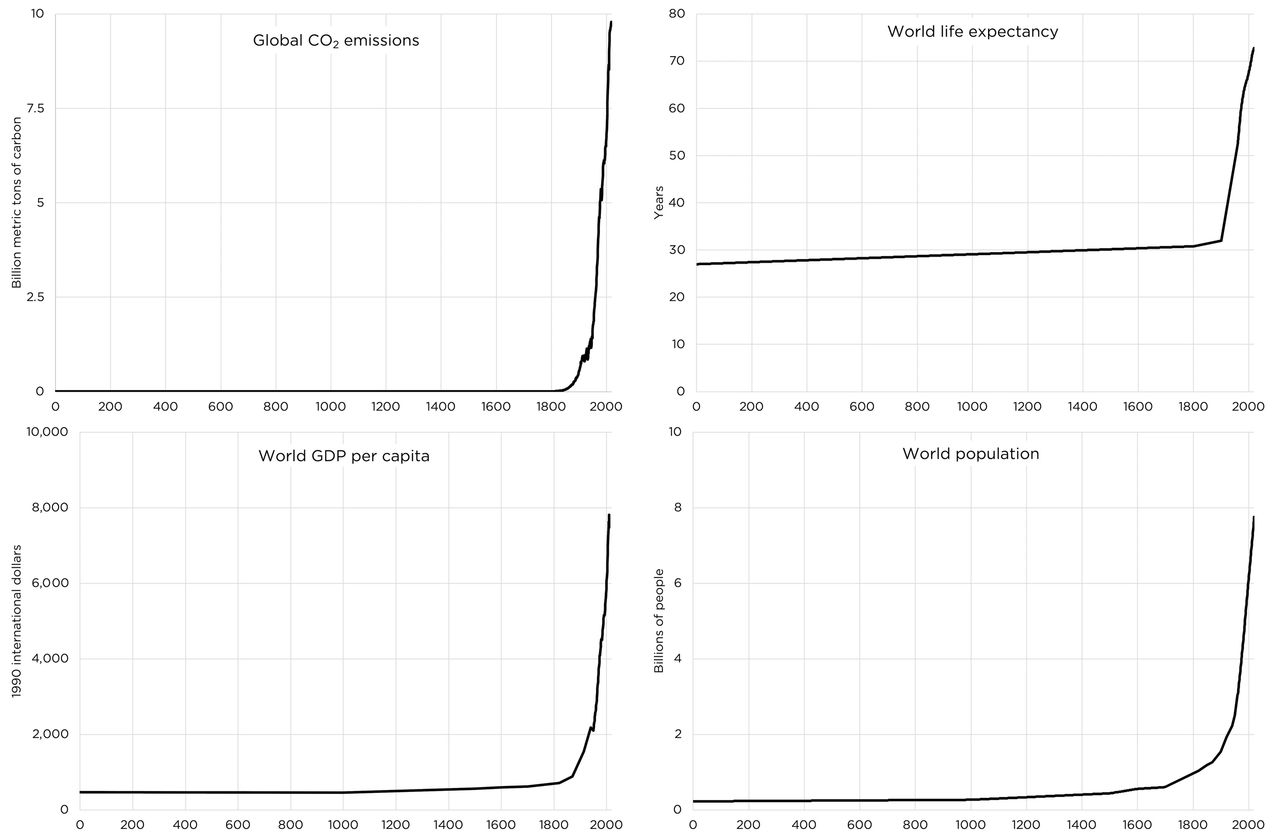
Oil and gas have been the bedrock of the global economy and technological advancement for centuries. Contrary to the dire predictions of depletion, technological advancements have consistently proven the robustness of oil reserves. Indeed, from Alaska to Brazil, the reserves are abundant enough to suggest they could sustain us indefinitely. The graph below visualizes the Quality of Life Index over the last 250 years alongside key technological advancements, illustrating the undeniable correlation between access to oil and human progress.
Ethical Arguments for Increased Oil and Gas Use
- Human Flourishing: Oil and gas have significantly enhanced human quality of life more than any other development in human history.
- Agricultural Enhancement: As the global population grows, so does the need for food. A greener planet with higher CO2 levels, as seen historically, would facilitate greater agricultural productivity.
- Natural Carbon Cycle: The CO2 released from burning fossil fuels was once part of the atmosphere and became sequestered in organic matter. Releasing this CO2 back into the atmosphere restores it to the natural carbon cycle.
- Misunderstood Climate Dynamics: The correlation between CO2 levels and global temperatures is not as direct as climate alarmists suggest, indicating that there is no impending danger from increased CO2 emissions.
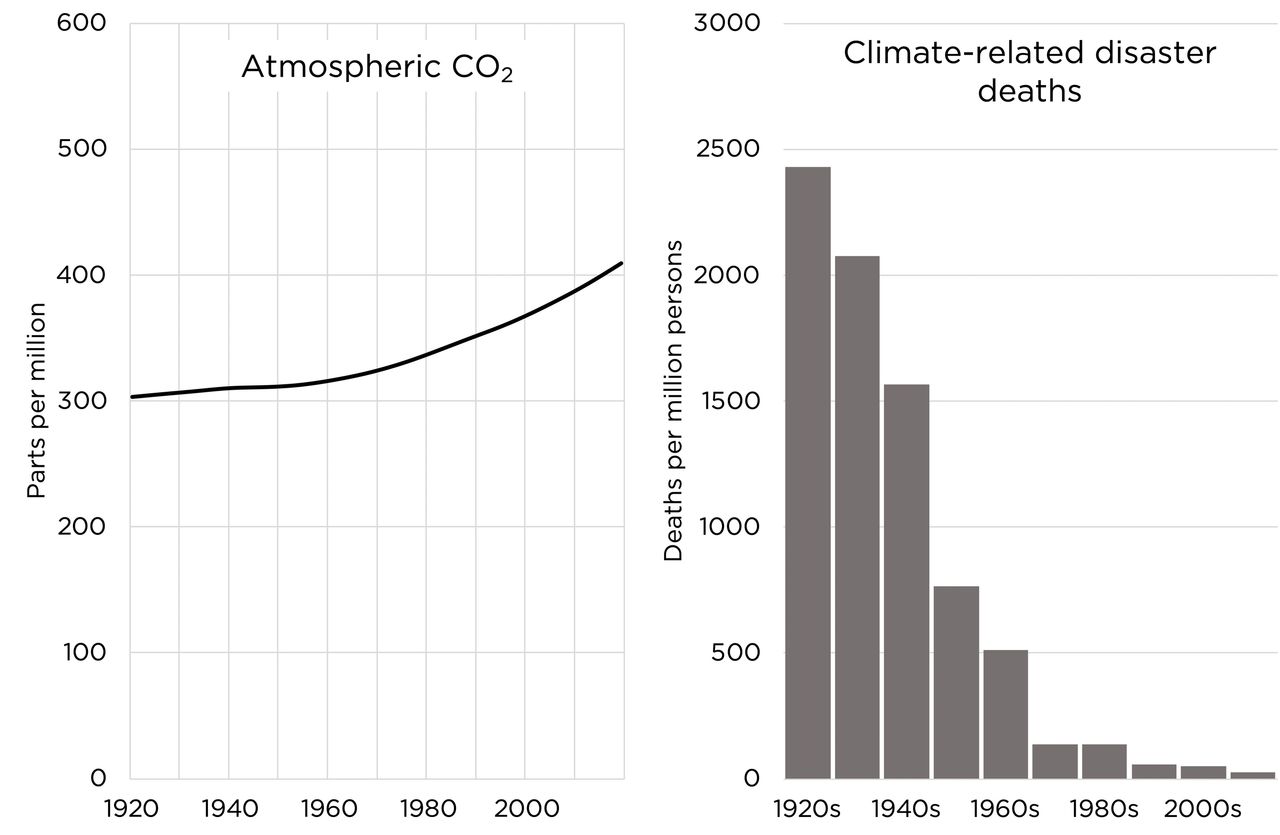
- Oil and Gas Saves Lives! : There is no other factor that allows us to effectively manage climate disasters and save lives than access to cheap and abundant energy. As you can see, climate related deaths have dropped by almost 98% since the early 19th century. During the same period of time we have increased the use of oil and gas and as a result also increased global CO2 levels. In a world where climate cycles are natural and have occured over thousands of years, (yes even before Oil and Gas!) it is critically important that we have the tools to manage disaster or changing climate. Cheap, abundant energy is one of the most important tools.
Rethinking Renewables: The Counterintuitive Environmental Impact
As we navigate the seemingly cult-like following around energy transition, it’s crucial to challenge the prevailing notion that renewable energy sources like wind and solar are the panacea for our environmental challenges. Not only are these technologies less efficient and more environmentally disruptive than often admitted, but their necessity is also questionable given the abundant supply and undeniable benefits of oil and gas.
The Environmental Paradox of Renewables
- Resource Intensive Production: The production of renewable technologies is heavily reliant on the extraction of rare-earth metals, which is a process fraught with environmental degradation. These materials are not only scarce but are extracted under conditions that lead to severe ecological damage and pollution. Couple this with the energy input required not only for manufacturing but also for installation and the case against wind and solar in particular grows to a point where we should not pursue the technology in its current state.
- Disposal Dilemmas: At the end of their lifecycle, renewable technologies present significant environmental challenges. For example, solar panels contain hazardous materials that pose disposal issues, and wind turbine blades are non-recyclable and end up in landfills, contributing to long-term pollution. These things are real pollution, with real consequence.
Unnecessary Given Oil and Gas Abundance
- Sufficient and Sustainable Supply: Advances in technology and exploration have demonstrated that oil and gas reserves are far more abundant than previously thought, capable of meeting global energy demands for the foreseeable future. This abundance challenges the urgency placed on transitioning to less reliable and more environmentally problematic renewable sources.
- CO2: A Misunderstood Benefit: The demonization of CO2 overlooks its crucial role in plant life and agricultural productivity. Increased CO2 levels have historically correlated with greener planets and enhanced food production, which are essential as the global population continues to grow.
Reassessing Green Energy Investments Amidst CO2 Policy Scrutiny
As global initiatives push for significant investments in renewable energy under the premise of reducing CO2 emissions to combat climate change, a critical reassessment of the underlying arguments and their long-term economic implications is crucial. Growing skepticism about the direct impact of CO2 on global temperatures suggests that the rush towards green energy might be based on potentially flawed environmental premises, which could, in turn, jeopardize future investment returns.
- Questioning CO2’s Role: The current investment surge in renewables is largely driven by policies aimed at reducing CO2 emissions, deemed essential for mitigating climate change. However, emerging scientific discussions challenge the magnitude of CO2’s impact on global climate patterns, suggesting that temperature changes may not be as closely linked to human-induced CO2 emissions as previously thought. This reevaluation could dramatically alter the perceived urgency and feasibility of investments aimed solely at CO2 reduction.
- Economic and Investment Risks: If the foundational belief in CO2 as the primary driver of climate change becomes widely questioned, the substantial investments in green energy projects could face significant devaluation. Investors currently pouring funds into renewable energy projects, encouraged by government subsidies and incentives, might find themselves facing stranded assets if the shift away from fossil fuels reverses or slows significantly due to changed scientific consensus or policy adjustments.
- Impact on Global Prosperity: The drive to diminish reliance on oil and gas in favor of renewables not only impacts investment portfolios but also global economic stability. Fossil fuels continue to play a pivotal role in powering economies, supporting millions of jobs, and enabling industrial activities. A premature reduction in oil and gas usage without viable and equally effective alternatives could lead to economic decline, increased energy costs, and reduced overall prosperity, particularly in energy-dependent industries and communities.
- Long-term Sustainability Concerns: While renewable energy sources are crucial for diversifying energy portfolios and reducing certain environmental impacts, their current limitations in reliability, energy storage, and total output capacity necessitate continued reliance on traditional energy sources. The sustainability of green investments is contingent not only on technological advancements but also on maintaining a balanced energy approach that includes oil and gas as core components of the energy mix.
A Call for Rational Energy Policy
Given these considerations, it is imperative to develop energy policies that reflect the true environmental costs of all energy sources. While the integration of renewables can play a role in a diversified energy strategy, in particular as a way to increase the individuals energy sovereignty, their current limitations and environmental impacts must not be overlooked. Moreover, the abundant, reliable, and beneficial nature of oil and gas makes them indispensable in our ongoing quest for sustainable and prosperous human development.
Analysis of Companies Leveraging Green Policies
Several companies that have pivoted toward anti-O&G energy initiatives are often lauded for their purported sustainable practices. However, from a critical perspective, these shifts might also be seen as strategic moves to capitalize on government incentives and tax dollars, potentially under the guise of environmental concern. This view suggests that the companies’ actions could be more about financial gain through public funds rather than a genuine commitment to environmental sustainability. From this perspective it is not much of a leap to see that “Green,” policies that make their way into legislation through lobbying are not in our best interest.
- Brookfield Renewable Partners – Known for its large portfolio of renewable assets, Brookfield’s expansion into green energy can be viewed as aligning with global subsidies rather than purely environmental altruism. This alignment may bolster its public image and access to green subsidies, enhancing investor interest and company valuation in the short term, despite potential long-term drawbacks of relying on intermittent energy sources.
- Algonquin Power & Utilities Corp – While Algonquin promotes its investment in renewable energy as a move towards sustainability, a critical perspective might suggest that these investments are also a means to benefit from favorable policy and subsidy frameworks, positioning itself advantageously in a market heavily influenced by governmental green mandates.
- TransAlta Renewables – As a major player in wind and other renewables, TransAlta may be perceived as leveraging the narrative of clean energy to secure financial advantages through government incentives. The company’s focus on long-term contracts could be seen as a strategy to lock in the benefits from subsidies, rather than a commitment to genuine sustainability.
- Northland Power – Northland’s diverse global investments in clean energy, while ostensibly environmentally driven, could also be interpreted as a strategic move to exploit international subsidies and tax benefits available for green energy projects, thereby enhancing their profitability and market standing under the guise of environmental concern.
- TC Energy Corporation – Traditionally an oil and gas company, TC Energy’s recent investments in renewable energy projects might be seen not just as diversification but also as a tactical response to growing public and governmental pressure for green energy solutions, allowing the company to tap into a new stream of public funding while continuing its core operations.
A perspective on American companies that have heavily invested in green energy initiatives reveals a similar narrative to the Canadian firms discussed earlier. Here, too, the shift towards renewable energy can be seen not just as an environmental or social responsibility effort, but also as a strategic business move to capitalize on government subsidies and enhance public image through “green” branding.
- American Electric Power Co., Inc. and Southern Co. – These companies are among the top lobbyists for energy-related issues, including green energy policies in the United States. Their increased lobbying expenditures, particularly around major legislative changes like the Inflation Reduction Act, suggest a strategic positioning to benefit maximally from government incentives aimed at transitioning to renewable energy.
- NextEra Energy, Inc. – As one of the leading companies in renewable energy, NextEra Energy has benefited extensively from federal subsidies like the Production Tax Credit. This not only boosts their financial performance but also positions them favorably in a market that is increasingly sensitive to environmental issues.
- Koch Industries, Inc. – Despite its roots in more traditional energy sectors, Koch Industries has also engaged in lobbying related to renewable energy policies. This involvement can be seen as an adaptive strategy to hedge against potential losses in traditional sectors and to exploit new opportunities presented by the shift towards green energy, potentially driven by the desire to access lucrative government subsidies.
- Companies in the Green Energy Sector in Texas – In Texas, companies in the green energy sector have reportedly seen a substantial return on investment from their lobbying efforts. This scenario illustrates how businesses are potentially motivated more by financial incentives provided by state and federal subsidies than by a commitment to actual environmental sustainability.
From this perspective, the shift towards green energy, while beneficial for public relations and aligning with current trends in government policy, may not always align with the most effective or efficient means of advancing human flourishing and societal progress. Instead, it could represent a sophisticated form of virtue signaling that prioritizes access to subsidies over genuine environmental impact. This critical viewpoint challenges the narrative of unambiguously positive green policies, suggesting that they might also lead to economic inefficiencies and potential misallocations of resources.
Comparative Insight
Both Canadian and American companies appear to be navigating a complex landscape where governmental incentives, public sentiment, and market opportunities influenced by green energy policies play significant roles. While these companies often publicize their shift toward renewable resources as a part of their corporate social responsibility, a deeper investigation suggests a significant motivation is the financial gain associated with government subsidies and tax incentives.
This viewpoint suggests that the rush toward green energy, often supported by substantial public funding, may prioritize corporate profit and market positioning over genuine contributions to sustainability. Such strategies may not only lead to economic inefficiencies but could also result in the misallocation of resources, ultimately impacting the broader goal of human flourishing and true environmental sustainability.
So, WHO is paying these enviro-activists, and WHY?
#climatefacts
#climatechangefacts
#globalwarmingfacts